
How to Check if Your HVAC System Has a Recall
HVAC recalls can involve fire, shock, and carbon monoxide hazards. Learn how to find your model and serial number and check for an active recall in minutes.
_1779220400871-BTmzb4Mz.jpg)
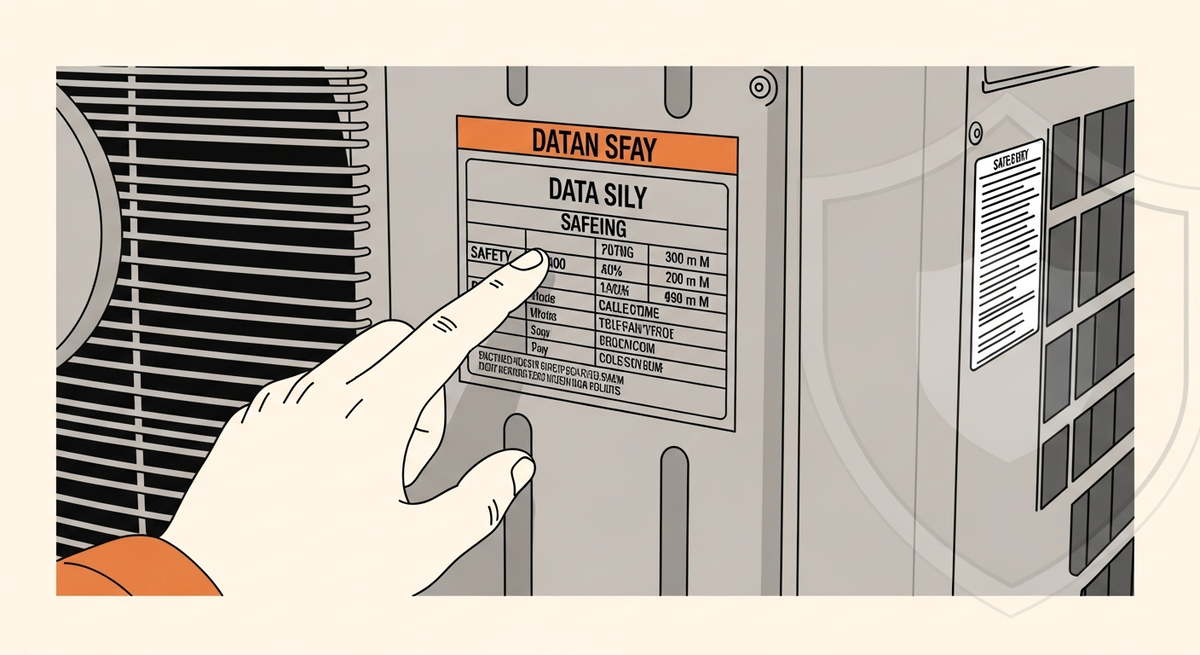
Most homeowners never think about whether their furnace or air conditioner has been recalled. The system sits in a closet, an attic, or beside the house and quietly does its job. But heating and cooling equipment carries real hazards when something is defective, including fire, electrical shock, and carbon monoxide. Over the years, manufacturers have recalled hundreds of thousands of HVAC units for exactly these reasons.
The good news is that checking for a recall takes about five minutes once you know where to look. This guide walks you through finding the right numbers on your unit and verifying them against the official sources, so you can rule out a problem or catch one before it becomes dangerous.
Quick answer
Find the model number and serial number on your unit's data plate. Then check three places: the manufacturer's recall page, the U.S. Consumer Product Safety Commission recall database, and our HVAC recall pages. If your model is listed, follow the official remedy, which is usually a free repair, replacement, or refund.
Why HVAC Recalls Matter
A recall is not a routine maintenance notice. It is issued when a manufacturer or a safety regulator determines that a product poses a risk serious enough to require action. For HVAC equipment, the hazards that drive recalls tend to be the dangerous kind:
- Fire. Wiring faults, failed capacitors, or control board defects can overheat and ignite. Several large furnace and AC recalls have centered on fire risk.
- Carbon monoxide. A defective heat exchanger or combustion component in a gas furnace can leak carbon monoxide, an odorless gas that is dangerous in enclosed spaces.
- Electrical shock. Grounding faults or exposed wiring can present a shock hazard to anyone near the unit.
Because these risks are not always visible during normal operation, a unit can look and run perfectly while still being subject to a recall. That is why checking the model number directly is the only reliable way to know.
Repair or replace?
Compare free quotes from licensed contractors near you.
Step 1: Find Your Model and Serial Number
Every HVAC unit has a data plate, a metal or printed label with the manufacturer name, model number, serial number, and electrical specs. Where it lives depends on the type of equipment:
- Outdoor AC or heat pump: Look on the side of the condenser cabinet, usually near the refrigerant line connections or the electrical access panel.
- Gas furnace: Open or remove the front access panel. The data plate is typically inside, on the interior wall of the cabinet near the burners or blower.
- Air handler: On the side of the cabinet, often near the access panel.
Write down both the full model number and the full serial number exactly as printed, including letters. The recall lists match on these specific values, so accuracy matters. Take a clear photo of the plate so you have it for reference.
Step 2: Confirm the Brand and Age
Knowing the manufacturer and the manufacture date helps you focus your search, since most recalls apply to units built within a specific date range. The serial number encodes the build date, and you can decode it instantly with our free HVAC age lookup tool. Just enter the brand and serial number to get the manufacturing date.
If your unit falls within the years a recall covers, that is a strong signal to look closely. If it was built well outside the affected range, you can usually rule the recall out. Either way, confirming the age takes only a moment and is useful for warranty and replacement planning too.
Repair or replace?
Compare free quotes from licensed contractors near you.
Step 3: Check the Official Recall Sources
Now verify your model against the authoritative lists. Check all three, because they update on different schedules:
- Our per-brand recall pages. We track HVAC recalls by brand so you can browse the ones relevant to your equipment. Start at the recalls overview and open your brand's page.
- The manufacturer's website. Reputable manufacturers post active recalls and product-safety notices, usually under a support or safety section. Search the site for the word recall plus your model number.
- The U.S. Consumer Product Safety Commission. The federal recall database at cpsc.gov/Recalls is searchable by brand and product type, and you can report a safety problem there as well at SaferProducts.gov.
When you find a recall notice, read it carefully. It will list the exact affected model and serial ranges, describe the hazard, and spell out the remedy. Match your numbers against the listed ranges before concluding that your unit is or is not included.
Step 4: Act on a Confirmed Recall
If your unit is covered, do not put it off, especially for a fire or carbon monoxide hazard. Recall remedies are provided at no cost and usually take one of these forms:
- Free repair. The manufacturer sends a technician or an authorized dealer to replace the defective part.
- Replacement part. A corrected component is shipped, sometimes installed by a contractor at the manufacturer's expense.
- Refund or credit. In some cases the manufacturer offers a refund or a credit toward a new unit.
If the notice instructs you to stop using the equipment, follow that guidance. For a furnace with a combustion-related recall, that may mean shutting it off until the fix is done. Contact the manufacturer or an authorized dealer to schedule the remedy, and keep records of the recall number and any service performed.
If you suspect an immediate hazard
A recall check is not a substitute for acting on a live danger. If you smell gas, suspect a carbon monoxide leak, or your alarm sounds, leave the house and call your gas utility or 911. Keep a working carbon monoxide alarm near sleeping areas regardless of any recall status.
Stay Ahead of Future Recalls
The simplest way to be notified of a future recall is to register your equipment with the manufacturer when it is installed. Registration links your model and serial number to your contact information, so the company can reach you directly if a safety issue arises. It also often secures the longer parts warranty. If you skipped registration, you can usually still register an existing unit on the manufacturer's website.
It is also worth a periodic check, particularly for older systems. Bookmark your brand's recall page and glance at it once a year or whenever you have a safety concern.
The Bottom Line
Checking your HVAC system for a recall is a quick, worthwhile habit that can prevent a fire, a shock, or a carbon monoxide exposure. Find the model and serial number on the data plate, confirm the brand and age with our age lookup tool, and verify against the manufacturer, the CPSC, and our recall pages. If your unit is affected, claim the free remedy promptly. Five minutes now can spare you a serious problem later.