
Carrier vs Trane: How the Two HVAC Giants Compare
Carrier and Trane are the two biggest names in home HVAC. Compare reliability, efficiency, warranty, pricing, and parts to decide which brand fits your home.
_1779220400871-BTmzb4Mz.jpg)
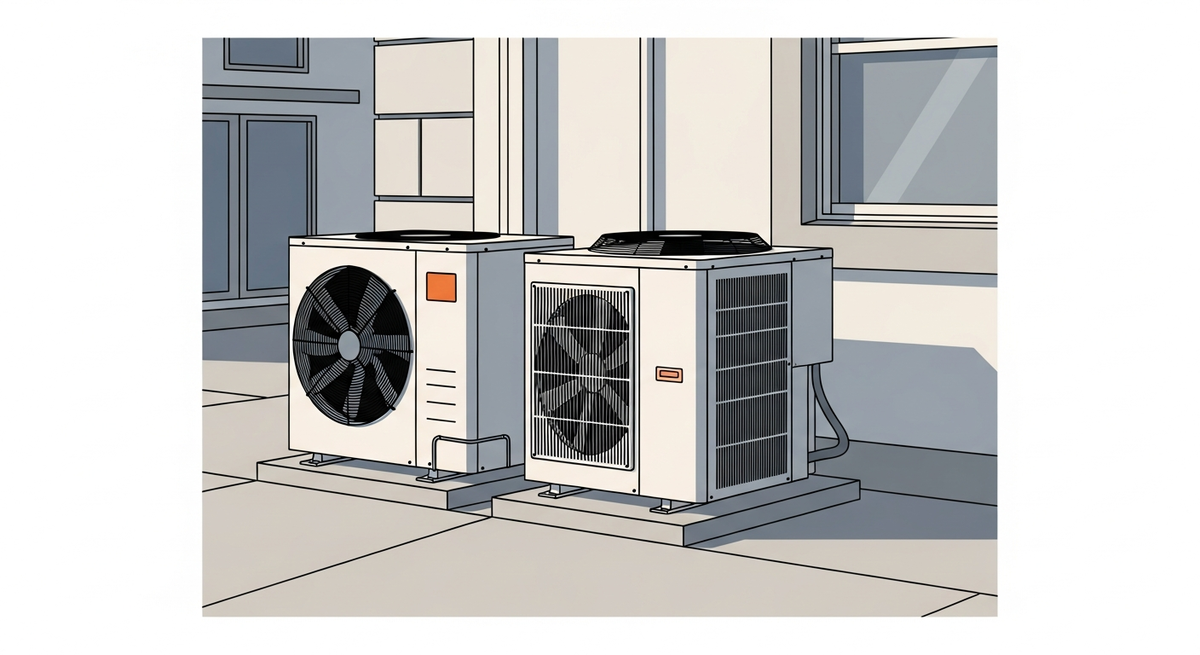
If you are shopping for a new central air conditioner or heat pump, two names come up more than any others: Carrier and Trane. They are the heavyweights of residential HVAC, both with decades of history, both sold through dealer networks, and both sitting at the premium end of the market. Homeowners often get one quote for each and ask the obvious question: which is actually better?
The honest answer is that they are remarkably close. Both build excellent equipment that will keep a home comfortable for 15 years or more. But there are real differences in their lineups, their reputations, their pricing, and the lesser-known sister brands each one owns. Here is how they compare, and how to decide between them.
Quick answer
Carrier and Trane are both premium, reliable brands, and the gap between them is narrow. Trane leans on a reputation for rugged durability. Carrier leans on innovation, quiet operation, and high-efficiency models. The bigger decision is your installer. Choose the brand backed by the strongest local dealer, because a great install on either brand beats a poor install on the other.
A Quick Background on Each Brand
Carrier traces its roots to Willis Carrier, who invented modern air conditioning in 1902. The brand carries genuine engineering pedigree and has long been associated with innovation in efficiency and comfort technology. Carrier also owns Bryant and Payne, which use much of the same engineering at lower price points.
Trane built its name on durability. The brand's long-running marketing around equipment that keeps running is backed by a real reputation for rugged, overbuilt systems, including its signature all-aluminum Spine Fin outdoor coils. Trane shares a parent company with American Standard, and the two lines are essentially the same equipment sold under different names.
That sister-brand detail matters for your wallet. A Bryant system is often very close to a Carrier in quality for less money, and American Standard is nearly identical to Trane. If price is tight, ask your dealer about the sister brand.
Repair or replace?
Compare free quotes from licensed contractors near you.
Carrier vs Trane at a Glance
| Factor | Carrier | Trane |
|---|---|---|
| Reputation | Innovation, quiet, efficient | Rugged, durable, overbuilt |
| Top efficiency | Up to around SEER2 24 (Infinity) | Up to around SEER2 21 to 22 (XV) |
| Pricing tier | Premium | Premium, often slightly higher |
| Sister brands | Bryant, Payne | American Standard |
| Standard warranty | 10-year parts with registration | 10-year parts with registration |
| Signature feature | Greenspeed variable-speed tech | Spine Fin aluminum coil |
Reliability
Both brands are at the top of the reliability rankings, and any difference is small enough that it gets swamped by other factors. Trane has spent decades cultivating an image of equipment that simply does not quit, and its build quality backs that up. Carrier is equally dependable and tends to edge ahead on quiet operation and refinement.
Here is the part most brand comparisons skip: the single biggest predictor of whether your system lasts is the quality of the installation. Correct sizing, a proper refrigerant charge, sealed ductwork, and good airflow matter more than the logo on the cabinet. A premium Carrier or Trane installed poorly will underperform a mid-tier unit installed well.
Repair or replace?
Compare free quotes from licensed contractors near you.
Efficiency and Comfort Features
At the top of each lineup, both brands offer variable-speed systems that adjust output continuously rather than just switching on and off. Carrier's flagship Infinity series with Greenspeed reaches some of the highest efficiency ratings in residential HVAC and runs very quietly. Trane's top XV series is similarly capable, with strong variable-speed performance and the durable Spine Fin coil.
For most homeowners, the very top tier is overkill. A mid-range two-stage system from either brand, in the SEER2 16 to 18 range, hits the sweet spot of efficiency and price for the majority of climates. Reserve the premium variable-speed flagships for hot climates with high electricity rates, or for homeowners who specifically want the quietest, most even comfort.
Warranty
The two are closely matched here as well. Both typically offer a 10-year limited parts warranty when you register the equipment within the required window, usually 60 to 90 days after installation. Miss that registration and coverage often drops to five years, so put it on your calendar the day of install. Note that these warranties cover parts, not labor. Labor coverage comes from your installing dealer, which is one more reason the dealer matters as much as the brand.
Pricing
Carrier and Trane sit side by side in the premium tier. Trane is sometimes quoted a little higher, but the difference is modest and varies by region and dealer. Installed prices for a complete system from either brand generally land in a similar range for comparable efficiency, with the bigger swings coming from system size, efficiency tier, and local labor rates rather than the brand name.
If a quote for one brand comes in dramatically higher than the other for the same efficiency and size, that is usually a sign to get another quote rather than proof that one brand is overpriced. And remember the sister brands: a Bryant or American Standard system can deliver very similar quality for noticeably less.
Which Should You Choose?
Since the equipment is so close, base your decision on these tiebreakers:
- The dealer. The most important factor by far. A skilled, reputable local installer who stands behind the work is worth more than any spec-sheet difference. Read reviews and ask how long the company has carried the brand.
- The quote. Get comparable efficiency tiers from a strong dealer of each brand, then compare total installed price, warranty, and labor coverage.
- Parts availability. Choose a brand with good local parts support so future repairs are quick. Both are widely supported, but availability can vary by area.
- Budget flexibility. If the premium price is a stretch, the sister brands (Bryant, Payne, American Standard) bring much of the same engineering down a price tier.
Already Have One of These Systems?
If you are weighing a repair on an existing Carrier or Trane, start by confirming how old it really is. Use our free age lookup for Carrier or Trane to decode the serial number and get the true manufacture date. Age is the first number you need before deciding whether to fix or replace, which we cover in detail in our guide on repairing versus replacing aging HVAC equipment.
Considering other brands too? You can also look up Lennox, Goodman, Rheem, and dozens more. And if you want to estimate the cost of a new system, run the numbers in our HVAC replacement cost calculator.
The Bottom Line
Carrier and Trane are both excellent, and you will not go wrong with either. Trane leans rugged, Carrier leans refined, and both will heat and cool your home reliably for many years. The decision that actually moves the needle is choosing a great installer and getting the system sized and installed correctly. Pick the brand with the better dealer and the better quote, register the warranty on day one, and you will be happy with either name on the unit.